
What problems make Concrete Driveways necessary in Cornwall and Eastern Ontario?
Name the visible symptoms or property conditions that create a need for Concrete Driveways in Cornwall and Eastern Ontario. Explain why the problem develops, why timely service matters, what can worsen if it is ignored, and what must be assessed before work begins.
How does professional Concrete Driveways protect the property?
A concrete driveway has to do more than look clean on the day it is poured. It needs a well-prepared base, practical drainage, sensible edges, and a finish that suits the way the property is used. In Cornwall and Eastern Ontario, freeze-thaw cycles, winter snow clearing, spring moisture, vehicle weight, and the transition from the road to the garage all affect the planning conversation. A driveway assessment should consider existing cracking, settlement, slope, access for equipment, and the location of downspouts before a replacement or new installation is discussed. Homeowners often call when an old driveway has broken edges, recurring puddles, ruts, heaving, or a surface that no longer supports everyday parking. Others are planning a new build, widening a parking area, or changing the approach to improve accessibility. The right scope depends on the existing subgrade, the desired width, the number and type of vehicles, drainage, and how the driveway connects to sidewalks and landscaping. These details help keep the conversation practical and avoid promising a result before the site is understood. A professional driveway project is usually discussed in stages: describe the property and intended use, review photos or plans when available, identify unknown site conditions, and compare suitable options. The finished surface is only one part of the work. Preparation, joints, thickness, reinforcement, control of water, curing, and protection during the early life of the concrete all deserve attention. Cornwall Concrete Contracting can help organize those questions for residential and rural properties across the service area.
When should a property owner call about Concrete Driveways?
A concrete driveway has to do more than look clean on the day it is poured. It needs a well-prepared base, practical drainage, sensible edges, and a finish that suits the way the property is used. In Cornwall and Eastern Ontario, freeze-thaw cycles, winter snow clearing, spring moisture, vehicle weight, and the transition from the road to the garage all affect the planning conversation. A driveway assessment should consider existing cracking, settlement, slope, access for equipment, and the location of downspouts before a replacement or new installation is discussed. Homeowners often call when an old driveway has broken edges, recurring puddles, ruts, heaving, or a surface that no longer supports everyday parking. Others are planning a new build, widening a parking area, or changing the approach to improve accessibility. The right scope depends on the existing subgrade, the desired width, the number and type of vehicles, drainage, and how the driveway connects to sidewalks and landscaping. These details help keep the conversation practical and avoid promising a result before the site is understood. A professional driveway project is usually discussed in stages: describe the property and intended use, review photos or plans when available, identify unknown site conditions, and compare suitable options. The finished surface is only one part of the work. Preparation, joints, thickness, reinforcement, control of water, curing, and protection during the early life of the concrete all deserve attention. Cornwall Concrete Contracting can help organize those questions for residential and rural properties across the service area.
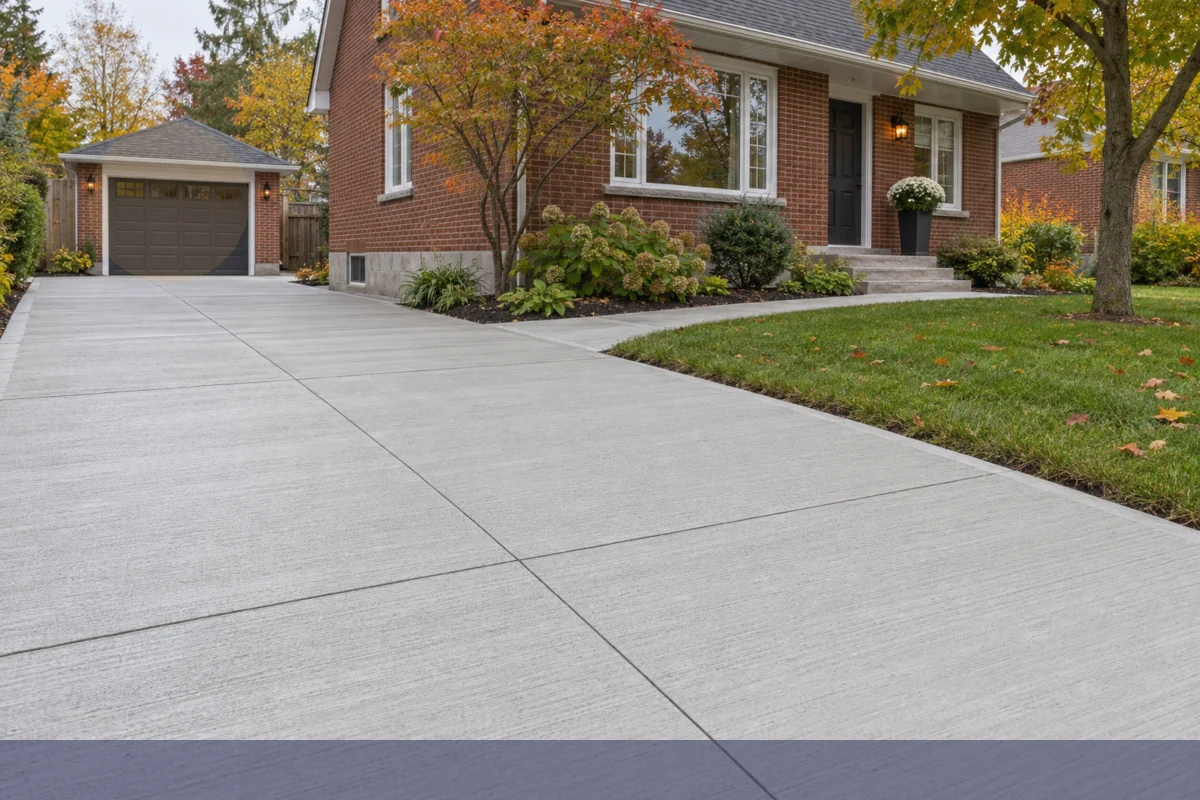
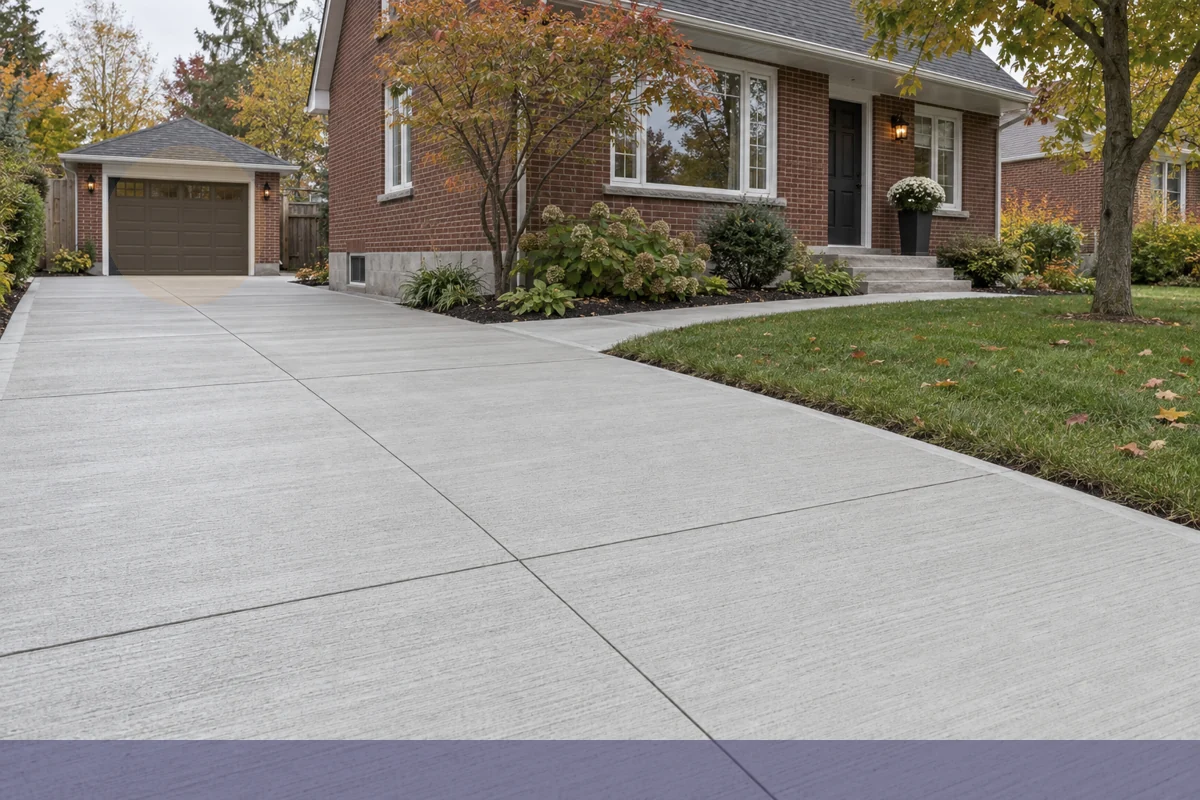
Can driveway ideas from another region work in Cornwall?
Driveway layouts from other regions can help you explain the appearance you want, but a photograph does not establish the specifications for your property. If you are looking at work described by concrete contractors in Pine Hills, identify the layout, edges, and finish you like. The dimensions, vehicle use, drainage, and site conditions for your Cornwall driveway still need their own assessment.
Questions worth answering before work begins
Consider how the surface will be used in every season, how water will move, what equipment or people need to reach it, and which existing features must remain protected. Note the areas that are cracked, settled, soft, narrow, difficult to access, or no longer fit the property. A concise description with photos and approximate measurements helps organize the next conversation and makes it easier to compare appropriate service options.
Questions worth answering before work begins
Consider how the surface will be used in every season, how water will move, what equipment or people need to reach it, and which existing features must remain protected. Note the areas that are cracked, settled, soft, narrow, difficult to access, or no longer fit the property. A concise description with photos and approximate measurements helps organize the next conversation and makes it easier to compare appropriate service options. Also note nearby doors, steps, fences, gardens, downspouts, trees, utilities, and future improvements so the proposed work can be discussed in context.
Discuss your project
Share the location, scope, timing, and any site conditions that may affect the work.