
What problems make Stamped Concrete necessary in Cornwall and Eastern Ontario?
Name the visible symptoms or property conditions that create a need for Stamped Concrete in Cornwall and Eastern Ontario. Explain why the problem develops, why timely service matters, what can worsen if it is ignored, and what must be assessed before work begins.
How does professional Stamped Concrete protect the property?
Stamped concrete combines a poured concrete surface with a pattern and colour selected to complement a home, patio, walkway, entrance, or outdoor living area. It can be considered when an owner wants a more finished visual direction than a plain slab, but appearance should be planned together with drainage, traffic, edges, joints, maintenance, and the intended use of the space. In Cornwall and Eastern Ontario, seasonal weather makes preparation and protection important parts of the conversation. A property owner may be replacing a worn surface, creating a new entertaining area, or coordinating concrete with masonry, siding, landscaping, or a driveway. The pattern scale, border, colour variation, texture, and transitions should fit the space rather than overwhelm it. Slipperiness, furniture, snow clearing, pets, and expected foot traffic can also influence the final choice. Before a stamped concrete project is defined, share the approximate footprint, reference images, preferred colours, access limits, and any existing drainage concerns. Installation involves more than imprinting a pattern: the base, forms, concrete selection, timing, joints, release materials, finishing, curing, and sealing all need to be considered. A local project conversation turns inspiration into a site-specific plan without promising a finish before conditions are reviewed.
When should a property owner call about Stamped Concrete?
Stamped concrete combines a poured concrete surface with a pattern and colour selected to complement a home, patio, walkway, entrance, or outdoor living area. It can be considered when an owner wants a more finished visual direction than a plain slab, but appearance should be planned together with drainage, traffic, edges, joints, maintenance, and the intended use of the space. In Cornwall and Eastern Ontario, seasonal weather makes preparation and protection important parts of the conversation. A property owner may be replacing a worn surface, creating a new entertaining area, or coordinating concrete with masonry, siding, landscaping, or a driveway. The pattern scale, border, colour variation, texture, and transitions should fit the space rather than overwhelm it. Slipperiness, furniture, snow clearing, pets, and expected foot traffic can also influence the final choice. Before a stamped concrete project is defined, share the approximate footprint, reference images, preferred colours, access limits, and any existing drainage concerns. Installation involves more than imprinting a pattern: the base, forms, concrete selection, timing, joints, release materials, finishing, curing, and sealing all need to be considered. A local project conversation turns inspiration into a site-specific plan without promising a finish before conditions are reviewed.
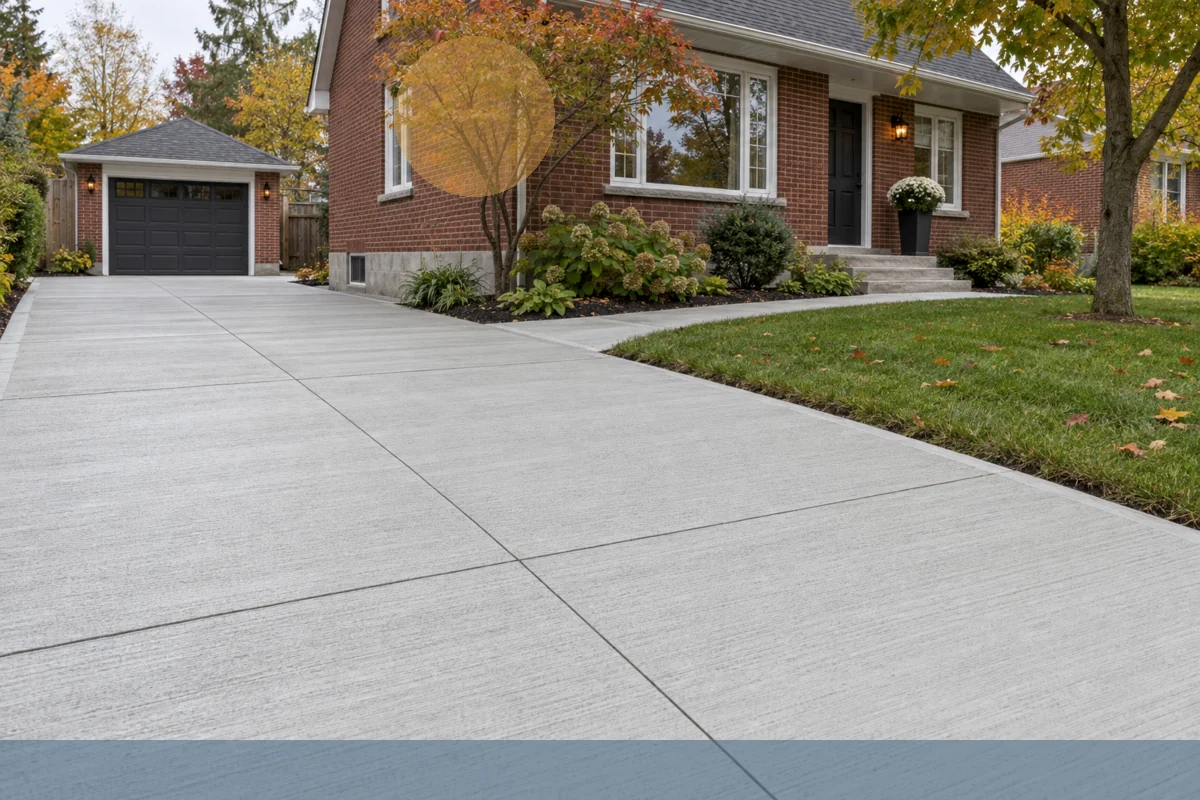
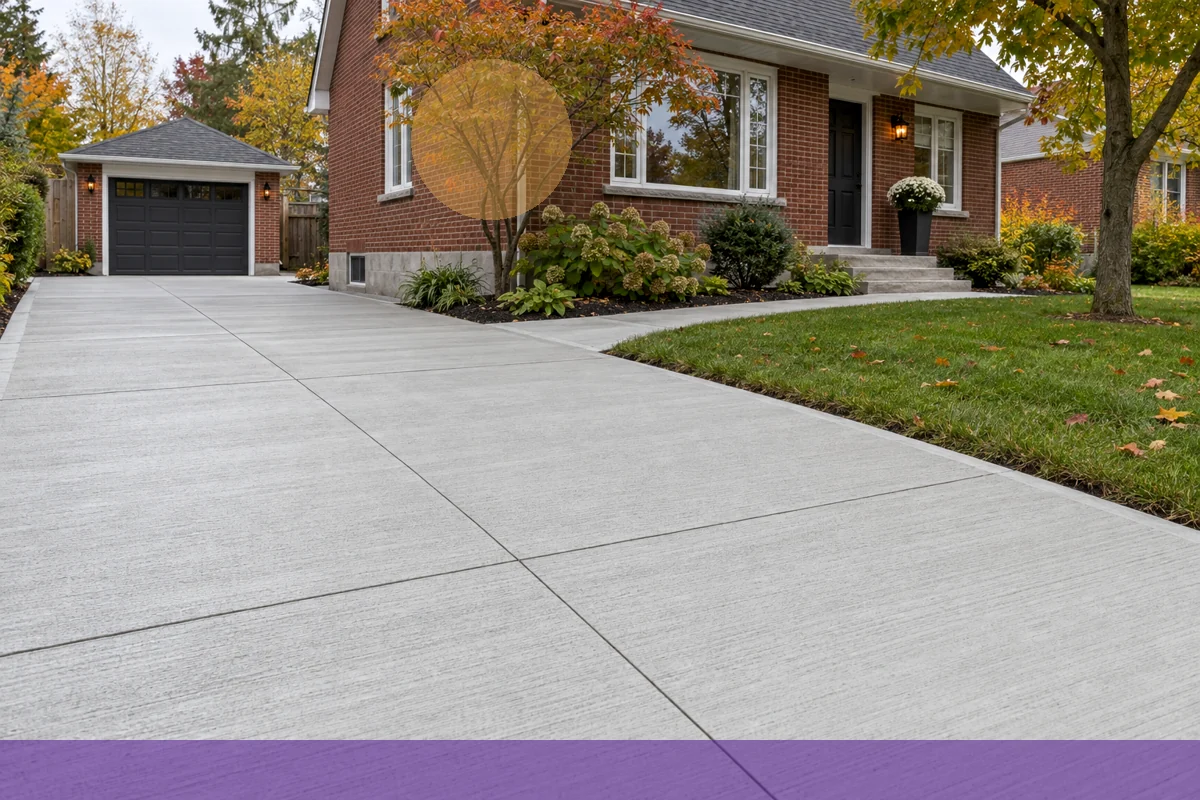
How can you narrow down a decorative concrete style?
Compare the scale of the pattern, border width, and colour against your home before choosing a decorative finish. Looking at stamped concrete in Catalina Foothills can help you describe a visual direction. Bring the features you like to your Cornwall project discussion so the finish, drainage, and maintenance plan can be assessed for your own property.
How should you compare stamped patterns before requesting a quote?
Compare stamped patterns by looking at the size of each impression, the direction of the layout, and the way borders frame the surface. Examples of decorative concrete in Four Corners can give you language for a design discussion. For your Cornwall project, share the intended use as well as the look you want so texture, edges, and upkeep can be considered alongside appearance.
Questions worth answering before work begins
Consider how the surface will be used in every season, how water will move, what equipment or people need to reach it, and which existing features must remain protected. Note the areas that are cracked, settled, soft, narrow, difficult to access, or no longer fit the property. A concise description with photos and approximate measurements helps organize the next conversation and makes it easier to compare appropriate service options.
Questions worth answering before work begins
Consider how the surface will be used in every season, how water will move, what equipment or people need to reach it, and which existing features must remain protected. Note the areas that are cracked, settled, soft, narrow, difficult to access, or no longer fit the property. A concise description with photos and approximate measurements helps organize the next conversation and makes it easier to compare appropriate service options. Also note nearby doors, steps, fences, gardens, downspouts, trees, utilities, and future improvements so the proposed work can be discussed in context.
Discuss your project
Share the location, scope, timing, and any site conditions that may affect the work.